Why Organising a Golf Society Feels Like a Second Job (And What We're Doing About It)
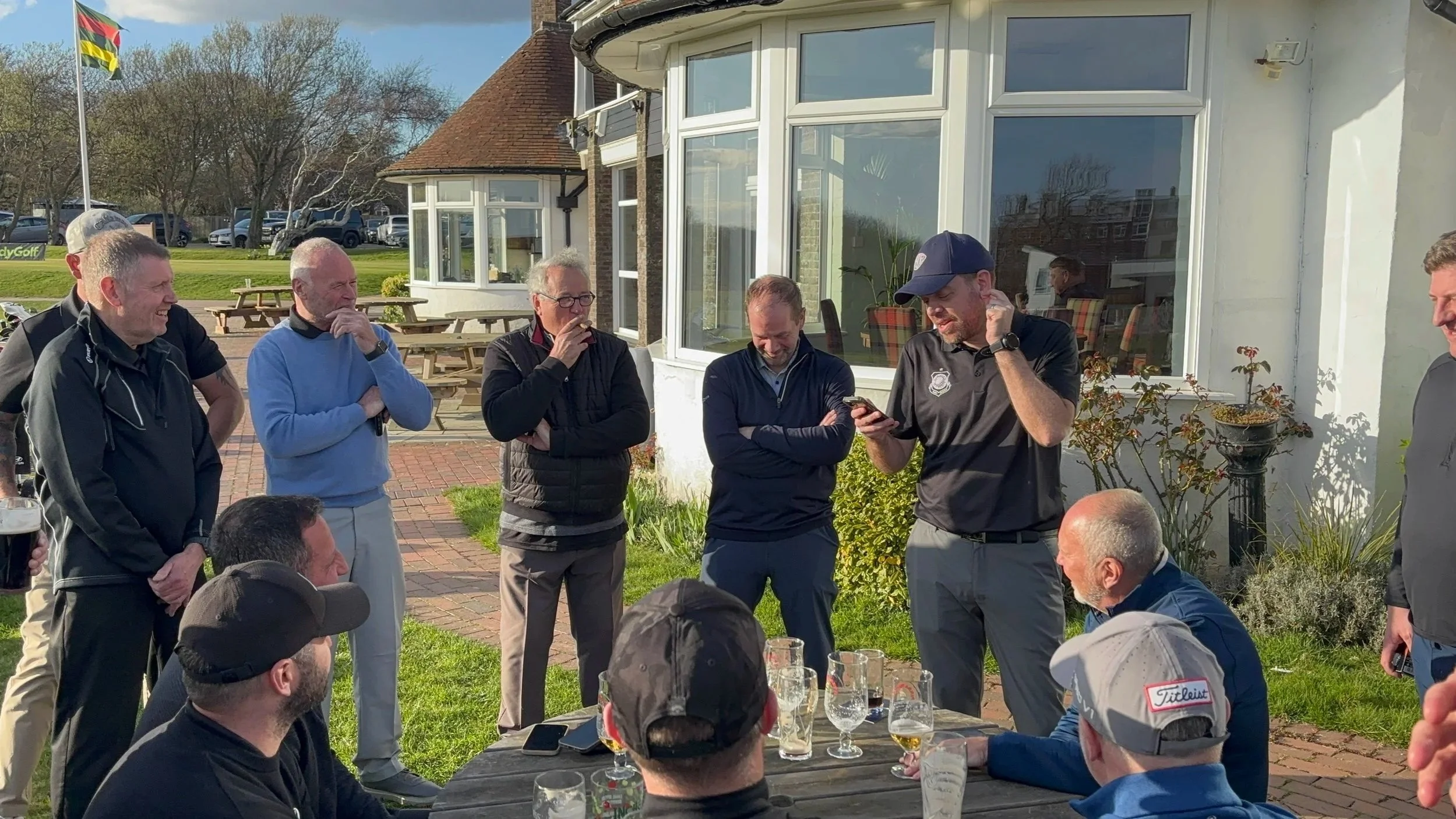
Golf is booming. Rounds played hit a record high in 2025, green fees have never been higher, and more societies are forming than ever before. There's one problem: the tools to run them haven't caught up.
We were part of a society for years before we built RiddyGolf. Long enough to know the drill. The organiser, almost always one person voluntarily, does the bulk of the work before anyone else has even checked the weather forecast.
The booking gets made. The group chat fires up. And then the real work begins.
Chasing people to confirm. Answering questions that were in the original message. Collecting a mix of bank transfers, cash and "I'll get you at the bar." Working out groups. Sending tee time reminders. Realising at 7am on the morning of the round that two people still haven't paid and one of them has gone quiet.
It's a lot. And for most organisers, it's invisible - right up until something goes wrong.
Society golf is having its biggest moment yet
The numbers are genuinely striking. Rounds played in Great Britain in 2025 hit a record high - up 14% on 2024 and the highest total since comparable records began in 2005. According to market research firm Sporting Insight, every region in the country outperformed each of the previous four post-pandemic years. Not a blip. A sustained shift.
Green fee revenue followed. UK golf clubs saw a 17% increase in green fee income in 2025, with the average course taking £189,240 - a record. The average green fee itself rose 5% to its highest point in the market's history.
More people are playing, paying more, and discovering the game through flexible, social routes rather than traditional club membership. England Golf's 2025–2030 strategy explicitly identifies this kind of informal, society-led golf as central to the sport's future. The R&A counted 108 million players globally in 2024 - up three million in a single year.
Society organisers sit right at the heart of all of this. They're the ones making it happen, event by event, WhatsApp message by WhatsApp message.
But the tools haven't caught up
Here's the problem. Golf societies are increasingly run by regular golfers who've taken on the organiser role because someone had to. They're doing it on their phones, in group chats, with spreadsheets and bank transfer requests and a lot of patience.
When we surveyed 71 society organisers before building RiddyGolf, 41% told us that collecting green fees was the hardest part of running a society event. Not finding a venue. Not agreeing on a format. Chasing people for money. This is at a time, remember, when the average green fee is at a record high and the stakes of getting it wrong are bigger than ever.
One of our society organisers told us, "[RiddyGolf] would've saved me hours last season. Chasing payments is the worst part."
The night before a society day, there are organisers across the country going through WhatsApp threads looking for Steve's confirmation from three weeks ago. Sitting with a spreadsheet at 10pm working out who's paid. Setting a 6am alarm to get to the course early enough to count the cash before anyone else arrives.
It works. Barely. And it works entirely on the goodwill of one person who cares enough to keep doing it.
Burnout is real - and it matters
The golf world doesn't talk much about organiser burnout, but it's common. The person who made the society happen quietly steps back, nobody immediately steps up, and a group that's been playing together for years slowly dissolves.
Most organisers don't mind the work. They love bringing people together for a good day out. They need help. Becasue when the admin starts eating into the golf itself, when you're checking your phone on the fifth fairway, or you're the last person to leave the bar because you're settling up while everyone else has gone home - that's the moment the job stops being something you chose and starts being something you're stuck with.
What we built - and why
We built RiddyGolf because we've sat at that breakfast table, half an hour before the first tee, counting cash while everyone else is warming up. We knew there was a better way.
The app brings everything into one place: event creation, player invites, green fee collection via Stripe, live digital scorecards, automatic reminders and a real-time leaderboard. Access to over 42,000 courses worldwide. Multiple formats — Stableford, medal, match play, Texas Scramble.
The design principle was simple: if it's not genuinely easier than WhatsApp for the organiser and the players, we haven't done it right.
Most organisers have their first event set up in under five minutes. After that, the payment chasing stops. The reminders go out automatically. The scores add themselves up. And the organiser can, for once, actually focus on their own game.
The bigger picture
Green fees are at record highs. Rounds played are at record highs. Demand for flexible, social golf has never been stronger. And somewhere in the middle of all that growth, a volunteer organiser is spending their Tuesday evening chasing a bank transfer.
Society golf isn't a niche. It's a significant and growing part of how this country plays the game. The people running those days deserve tools that match the scale of what they're contributing.
That's what we're building.
RiddyGolf is free to download on iOS and Android. If you organise a society, give it a go. You won't miss the spreadsheets.